Type beat vs. freestyle beat
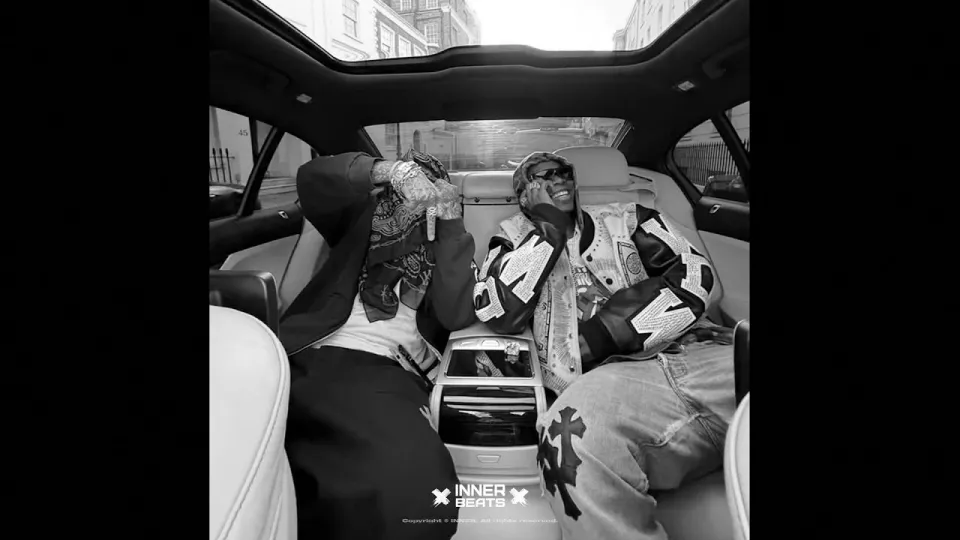
Video: "WHO" | Trap Type Beat | Freestyle Beat | Type Beat | Hard Type Beat | Rap Type Beat 2026
You can order the same kind of articles for your own video to boost it on YouTube and Google. Just message the Telegram bot @sat_sit_bot. It writes articles around your video, embeds the video and publishes them on popular niche websites (no ads). Your first 50 articles are free.
A type beat is the better choice when you want a ready-made, clearly labeled instrumental built around a recognizable style, while a freestyle beat suits you best when you need open space for long, uninterrupted verses. The "WHO" trap type beat from INNER BEATS is a practical example of both: 171 BPM in Cm, with a hook-verse-hook-verse-outro layout and a free download plus license available at the official license page.
What a type beat actually is and why the label matters
A type beat is an original instrumental that a producer markets by naming the artist or style it resembles, so rappers searching for a specific sound can find it fast. The label describes the vibe, not a copy: the melody, drums and arrangement are the producer's own work, and the artist name is only a reference point for search.
That distinction matters for two reasons. First, a type beat is licensable, which means you get written terms for how you can use it. Second, it is discoverable — searching "trap type beat", "hard type beat" or "rap type beat" is how most independent artists find instrumentals in 2026, and producers tag accordingly. INNER BEATS labels "WHO" with a full stack of these terms: trap type beat, freestyle beat, hard type beat, rap type beat, dark type beat.
The practical takeaway: treat the label as a filter, then judge the beat itself on tempo, key and arrangement before you write anything.
Freestyle beat vs. type beat: the real difference
A freestyle beat is designed for continuous delivery — minimal structural interruptions, a steady loop, room for bars to pile up without a hook cutting in. A type beat is usually built like a song: it has a defined hook section, verse sections and an outro, so it invites a structured record rather than a raw freestyle.
Compare them on four concrete points:
- Structure. "WHO" follows hook (from the 2-second mark), verse, hook, verse, outro — a song-shaped arrangement. A pure freestyle loop would repeat one section.
- Tempo. At 171 BPM, "WHO" sits in the fast trap range; it pushes a double-time or triplet flow rather than a laid-back pocket.
- Key. Cm (C minor) gives a dark, tense harmonic center, which is why producers tag this kind of material as a dark trap beat.
- Intended use. A type beat is for releasing a finished song; a freestyle beat is for practice, cyphers, freestyle videos or sketching flows.
If you plan to distribute a finished track to streaming services, the structured type beat is the safer starting point because the arrangement already tells you where the hook goes.
How to write to "WHO" step by step
Writing to a 171 BPM Cm trap beat is mostly about mapping your bars to the sections before you record a single take. Work in this order:
- Loop the hook section first and write 4 to 8 bars that can carry a repeated phrase — the hook is the part listeners remember.
- Move to the verse sections and write 16 bars each, keeping the rhyme density higher than in the hook.
- Use the outro as a place to land a final punchline rather than starting a new idea.
- Record a reference take over the full arrangement so you hear how your energy changes between hook and verse.
- Only then book a proper session and track vocals.
Because the beat is in C minor, minor-key melodic phrases and slightly darker imagery sit naturally on it; major-key, bright melodies will fight the harmony. If you want a different tempo, the same producer's catalog is the place to look rather than time-stretching this one, which smears the transients.
Licensing, Content ID and the rules before you release
A free download is not the same as a free release, and this is where most first-time type beat users get caught. INNER BEATS states plainly that anyone who wants to profit from a song — for example by uploading it to streaming services — must buy a license that fits their use before releasing it.
The second rule is stricter: with or without a purchased license, you cannot register your song with BMI, ASCAP, WIPO, OMPI or any other copyright organization, or with any Content ID system, unless you have acquired an exclusive license. Non-exclusive licenses typically allow distribution but not registration, because registering the composition would claim rights you do not hold.
A workable checklist before uploading:
- Download the beat from the official link and keep the receipt or license file.
- Read whether the license covers monetization, streaming and Content ID — they are separate permissions.
- Credit the producer as the license requires.
- Do not submit the song to a distributor's Content ID or publishing registration unless the license says exclusive.
Common questions rappers ask about type beats
Most doubts around type beats fall into a few recurring categories: whether the beat is good enough for a real release, how to count bars over an unfamiliar arrangement, and whether a free beat can be monetized. On the counting question, the practical method is to count in groups of four bars and mark the transitions between sections — hook to verse, verse to hook — so you always know where you are in the arrangement.
On the quality question, the honest answer is that a beat does not make a record; the vocal performance, mix and arrangement of your own layers do. A sparse, dark trap beat with deliberate gaps gives a rapper room to be the loudest element in the mix, which is often why minimal instrumentals outperform busy ones for new artists. On monetization, the answer is always the same: check the license tier before you upload, not after.
Where to find INNER BEATS and the "WHO" files
The producer behind "WHO" publishes the beat, the license link and contact details in one place, which makes follow-up questions easy. The full set of official links:
- Free download and license: https://bsta.rs/15OHhT
- Instagram: https://www.instagram.com/prod_by_inner/
- Telegram: https://t.me/prodbyinner
- Email: beatsinnerpls@gmail.com
Use the license page for anything transactional — download, upgrade, exclusive purchase — and social channels for collaboration questions. Keeping those two threads separate saves time when a release deadline is close.
Final verdict on type beat versus freestyle beat
For a release you intend to distribute, the type beat wins: "WHO" gives you a defined hook, two verse sections and an outro at 171 BPM in Cm, so the arrangement does half the songwriting work for you. Choose a freestyle beat instead when the goal is practice, a cypher or a one-take video where structure would only get in the way. Either way, sort out licensing before you upload — start at the download and license page for "WHO" and confirm which tier covers your plans. The video breakdown and the beat itself come from the channel INNER BEATS, which is the right place to check for further hard trap and dark trap instrumentals in the same vein.
Key takeaways
- "WHO" by INNER BEATS runs at 171 BPM in the key of Cm.
- The beat's structure: hook, verse, hook, verse, outro, with a hook landing at the 2-second mark.
- A free download and license option is available via bsta.rs before any release.
- Songs made on the beat cannot be registered with BMI, ASCAP, WIPO, OMPI or Content ID without an exclusive license.
- The producer publishes contact via Instagram (@prod_by_inner), Telegram and email.
Questions & answers
Can I release a song on a free type beat?
Only if the license you obtained allows it. A free download often covers non-profit use, while monetized distribution on streaming services usually requires a paid license tier. Read the terms on the license page before uploading, and keep proof of the license.
Why can't I register my song with BMI or ASCAP when I use a type beat?
Because a non-exclusive license does not transfer the composition rights to you. Registering the song with a copyright organization or a Content ID system would claim rights held by the producer, so it is only permitted with an exclusive license.
How do I count bars on a 171 BPM trap beat?
Count in groups of four bars and mark where sections change — hook to verse, verse to hook, verse to outro. At 171 BPM the pulse is fast, so counting in fours keeps you oriented without losing the pocket.
Is a dark, minimal trap beat good for a beginner rapper?
Often yes. Sparse arrangements with deliberate gaps leave space for the vocal to sit on top, which makes a beginner's performance easier to mix. Busy instrumentals tend to expose timing issues that a minimal beat hides.
Source: "WHO" | Trap Type Beat | Freestyle Beat | Type Beat | Hard Type Beat | Rap Type Beat 2026 · Markdown version